Visit to Geel - the small Belgian city home to a unique form of community mental health care
Last month we held our UEMS Psychiatry Section meeting.
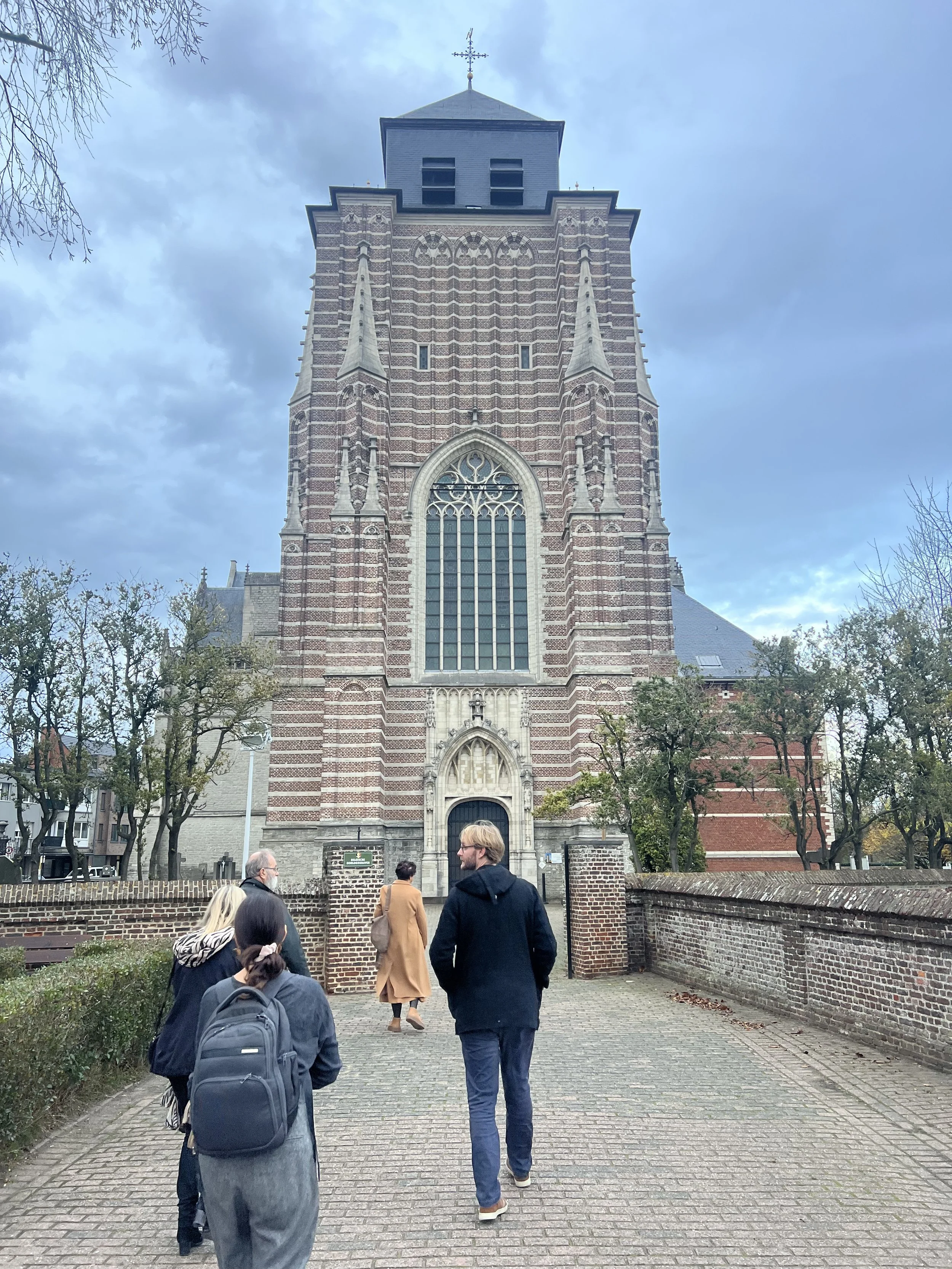
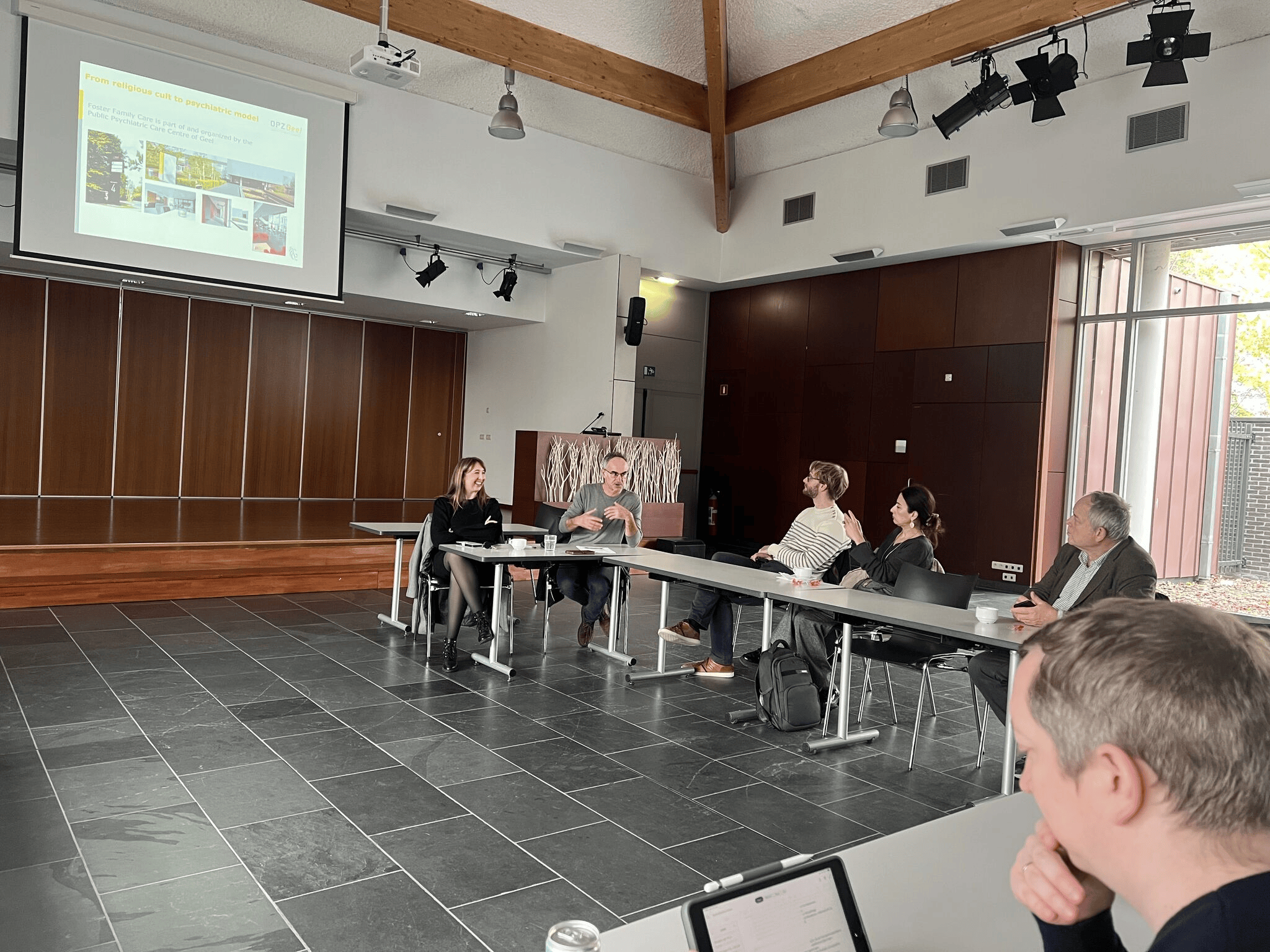
We opened the meeting with a visit to the town of Geel, organised by our Belgian colleagues Michiel van Kernebeek, Charlotte Migchels and Vito Infante. Geel’s unique model of care, where families host people living with severe mental illness, has an uninterrupted tradition of over 800 years. Deeply embedded in the community and recognised as UNESCO heritage, it remains an inspiring example of social inclusion.
This short video here explains the unique programme: https://www.youtube.com/watch?v=yVC_FetGpaE
Dr Vito Infante shares some words about the day below:
We started the day on the early train, a small group of colleagues waking up slowly over coffee cups, shared jokes and half-sleepy conversations. There was something almost symbolic in that quiet journey: a group of European psychiatrists travelling together toward a place that has shaped the very idea of community mental health. The atmosphere was warm, curious, and slightly excited — the kind of mood where everyone senses the day will leave a mark.
The professional heart of the visit
Once in Geel, the tone shifted naturally toward reflection and learning.
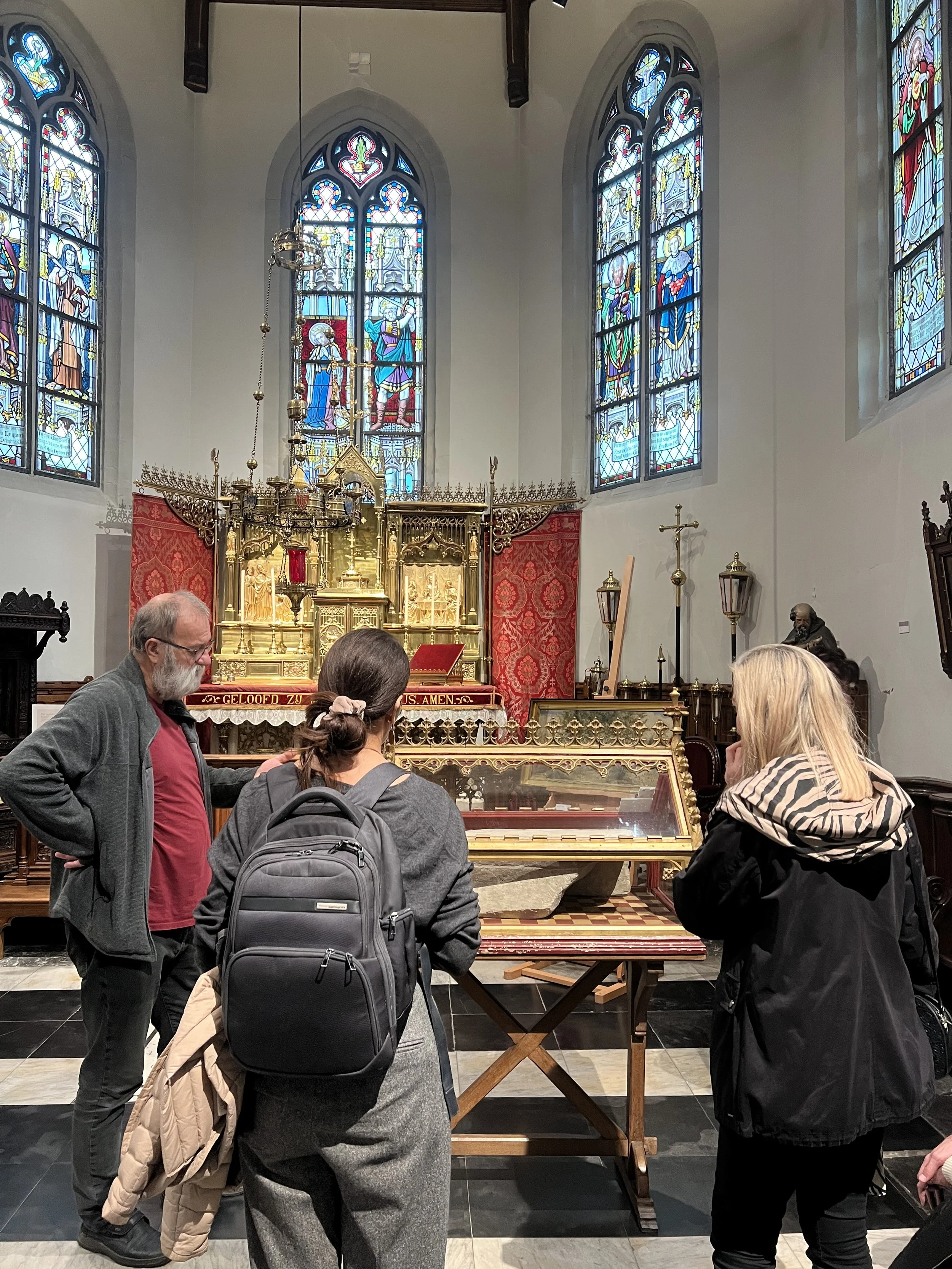
Geel is, after all, one of the most unique places in the history of psychiatry — a town that, for more than 700 years, has hosted people with mental illness inside ordinary families, without confinement, without institutional barriers. It is a living legacy of Saint Dymphna and a rare example of community-based care that survived into the modern era.
We were guided through the origins and evolution of the foster-family model:
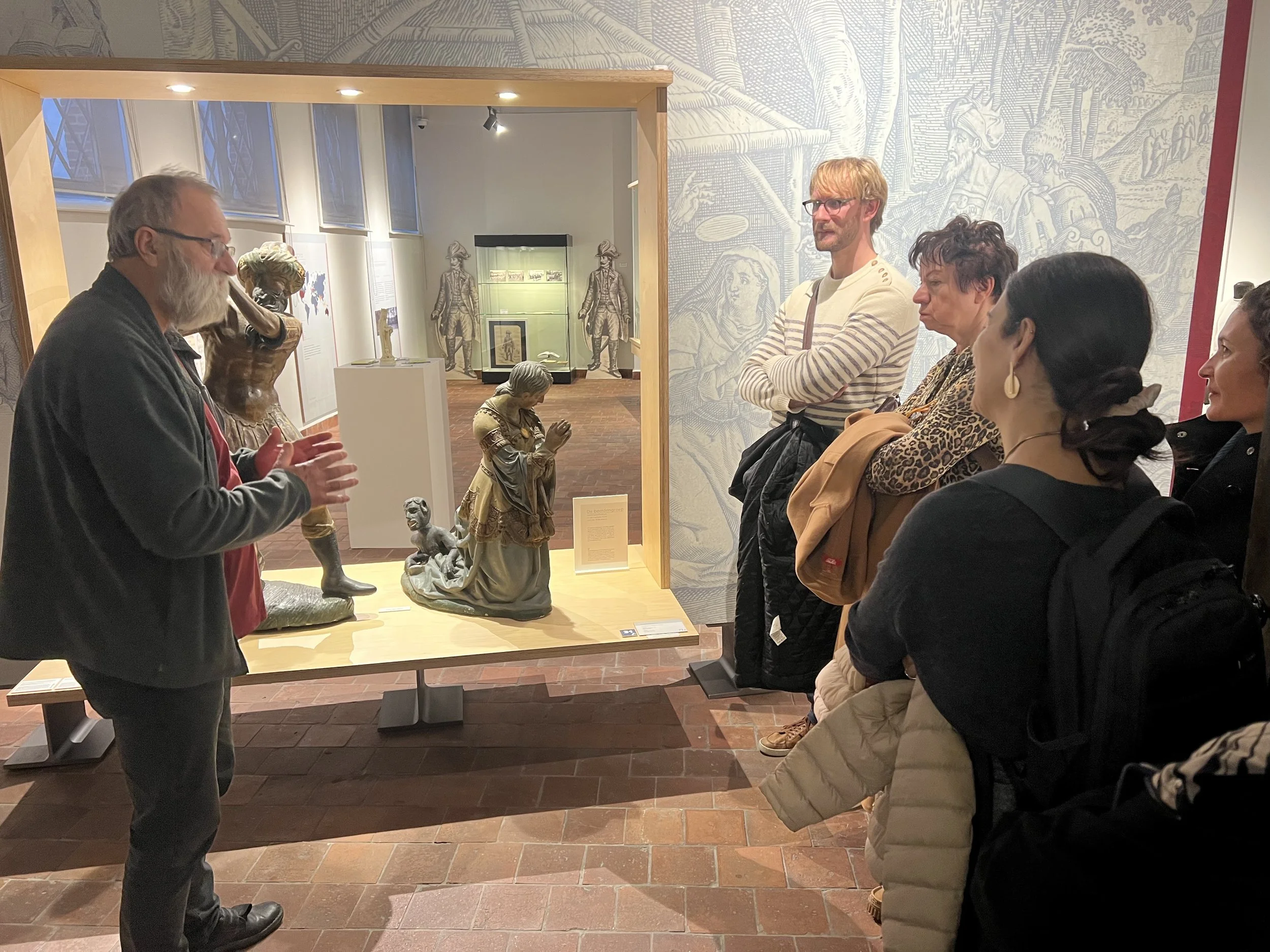
how townspeople integrated patients into daily routines; how hospitality and normal life became therapeutic tools; and how the system has transformed while keeping its essence — dignity, inclusion, and trust.The visit to the Saint Dymphna Museum deepened this understanding. Each part of the exhibition shows how Geel managed something most systems still struggle with: psychiatry that is both structured and profoundly human, outside the walls of hospitals but never outside a framework of care.
Why Geel still matters
Geel demonstrates that psychiatric care can thrive outside institutions, inclusion is not rhetoric but daily practice, community trust can be as therapeutic as medication and the relationship between patient and society can be redesigned in a radically humane way.